
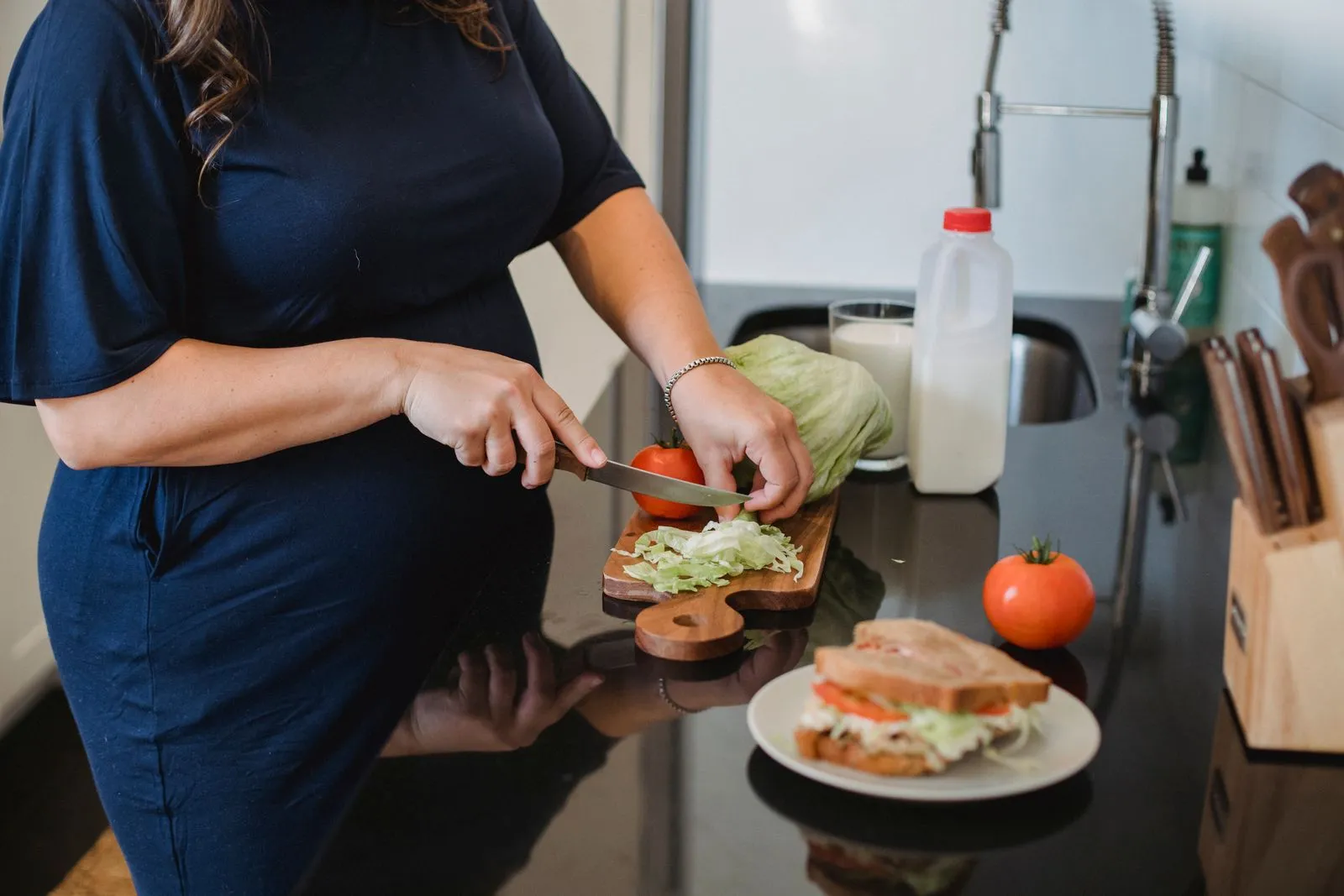
After giving birth, meals can become irregular while your body heals and your days revolve around a newborn. You don’t need a complicated menu or special foods to nourish yourself. Aim for a mix of protein, carbohydrates, fats, and produce when you can, and keep easy options within reach. Fluids matter, too, especially if you’re breastfeeding. A flexible plan can support recovery without adding another demanding task to your day.
Build a Balanced Plate
Include a protein source, a filling carbohydrate, and some produce or another fiber-rich food when possible. For example, pair eggs with whole-grain toast and fruit, or add beans, chicken, or tofu to rice and vegetables. Protein supports the body’s repair processes, while carbohydrates provide energy. You don’t need every meal to look perfect; a useful mix across the day is a practical goal.
Add fats for flavor and staying power with options such as avocado, nuts, seeds, olive oil, or nut butter. Keep a few convenient proteins on hand, like yogurt, canned beans, cheese, or hard-boiled eggs. If you have dietary restrictions, allergies, or a medical condition that affects what you eat, ask your health-care provider or a registered dietitian for guidance tailored to you.
Make Hydration Easy
Keep a water bottle near the places where you feed or settle your baby, and refill it when you get up. Water is a helpful everyday choice. Soups, milk, and other drinks can also contribute fluid. If you’re breastfeeding, keep a drink nearby and sip when thirsty; there’s no need to force a set amount unless your clinician has advised one.
Notice signs that you may need more fluids, such as a dry mouth or darker urine, and drink regularly throughout the day. Caffeine can be part of many adults’ routines, but check with your health-care provider if you have questions about caffeine while breastfeeding or taking medication. Keep hydration simple: make drinks visible and easy to reach rather than relying on remembering later.
Plan for Newborn Days
Prepare food in small steps when you have help or a quiet moment. Cook extra portions, wash fruit ahead of time, or assemble snack boxes with crackers, cheese, and cut vegetables. Frozen vegetables, canned fish or beans, and ready-to-eat grains can shorten meal prep. Choose foods that are easy to eat one-handed if you often hold or feed your baby.
Set up a few reliable snack spots near your usual feeding areas. Try combinations such as fruit with yogurt, toast with nut butter, or hummus with pita. Ask a partner, friend, or family member to bring a meal or handle dishes if they offer support. A short list of easy meals can help visitors contribute in a way that meets a real need.
Keep Expectations Flexible
Some days, meals may be scattered or less varied than you’d like. Use the next eating opportunity to add something filling, such as a sandwich with protein, oatmeal with nuts, or leftovers with a side of fruit. Convenience foods can fit into postpartum eating; combine them with a simple protein or produce option when practical. Eating enough matters more than making every meal from scratch.
Recovery needs vary, and appetite can shift with sleep, stress, feeding, and healing. Contact your health-care provider if eating or drinking feels difficult, you have ongoing concerns about appetite or recovery, or you need advice for a specific condition. A postpartum nutrition professional can also help you create a realistic plan around your preferences, budget, and household routine.
Postpartum meals can be simple: combine a protein, an energy-giving carbohydrate, and a convenient fruit or vegetable when you can, and keep fluids close by. Prepare a few easy options and accept practical help where available. For personalized support with meals during recovery, consider speaking with a qualified nutrition professional.